Tiny fungus, big impact.
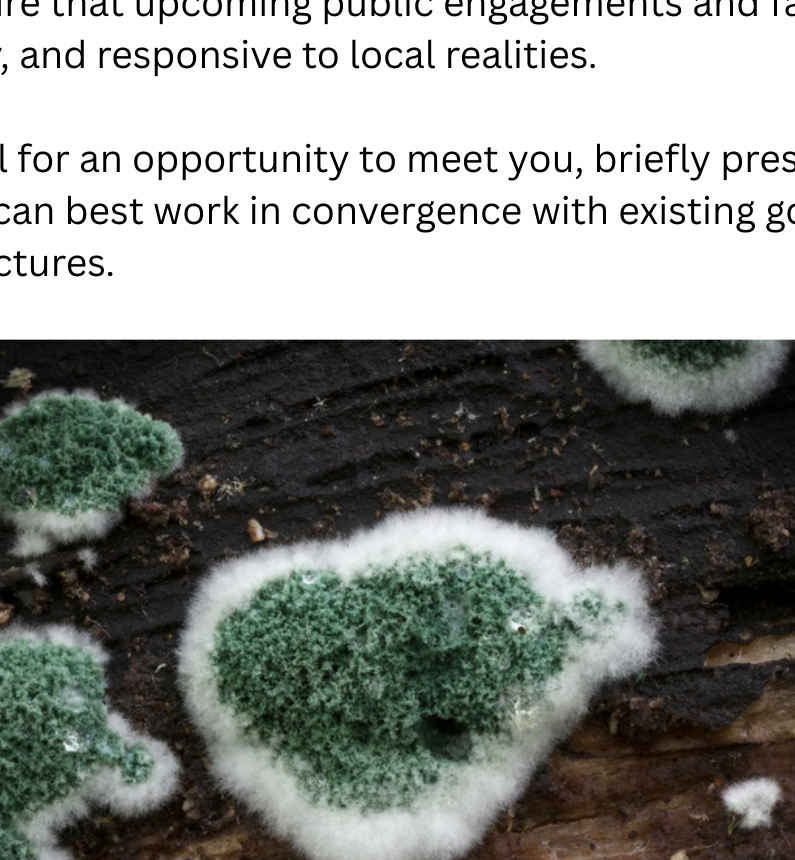
We’re building a farmer-led, citizen-science model to produce and apply Trichoderma—a beneficial native fungus that acts as a natural biocontrol agent against soil and root-borne diseases—so communities can reduce dependence on chemical fungicides.

Reported after adoption of Trichoderma (KVK practice, West Bengal).
Reduced incidence in affected crops (KVK practice, West Bengal).
To 3,544 farmers across ~1,418 hectares (KVK Kannur, Kerala report).
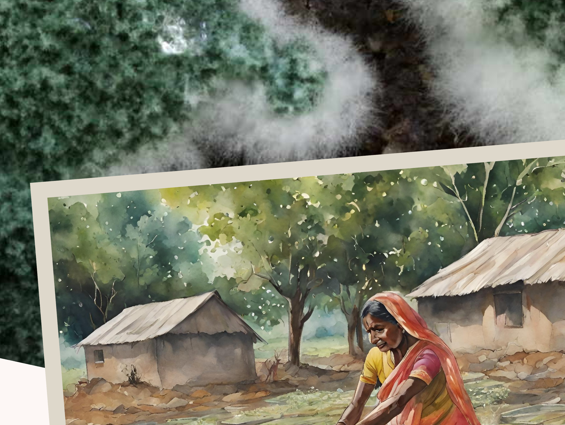
Disarms harmful fungi
Trichoderma actively hunts down and disarms bad fungi that cause root rot and wilting diseases, protecting plants from the inside out.
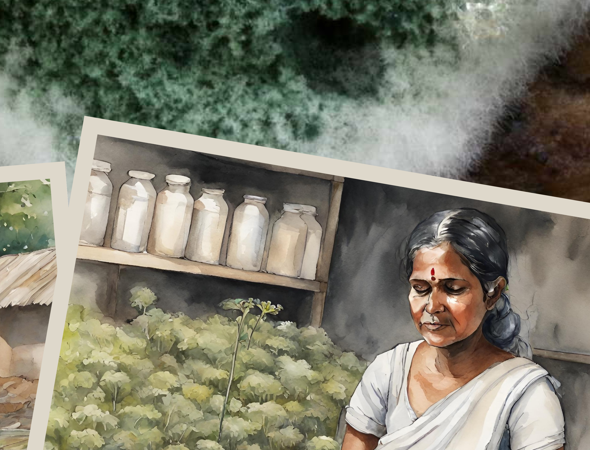
Partners with plant roots
It forms a helpful partnership with plant roots, improving water and nutrient absorption—supporting stronger, more resilient crops.
Reduces chemical dependence
By using this natural alternative, communities can reduce reliance on expensive chemical fungicides—supporting healthier soil, cleaner water, safer food, and more money saved for families.
From the community, for the community.
This project is about more than a fungus. It’s about democratizing science. It’s not about outside experts giving instructions—it’s about becoming the experts together.
Learning from each other: What works best on your soil, with your crops—your experience becomes the community’s textbook.
Building self-reliance: Our goal is a shared skill, not dependency.
Department convergence in Kalimpong
On 30 December 2025, the team met Sri Sanjay Dutta, District Horticulture Department, Kalimpong to introduce the project and explore support for facility opening and farmer trainings.
- DHO highlighted a key barrier: scheme funds often remain unspent because farmers hesitate to pay the required upfront share.
- The project will address this through demonstrations, confidence-building, and convergence with horticulture schemes.
- DHO assured support for inauguration and handholding during trainings.